Mechanical Engineering · Tangible Interfaces · Haptics · Augmented Reality
I leverage mechanical design to physically augment digital applications to enhance tangible experiences.
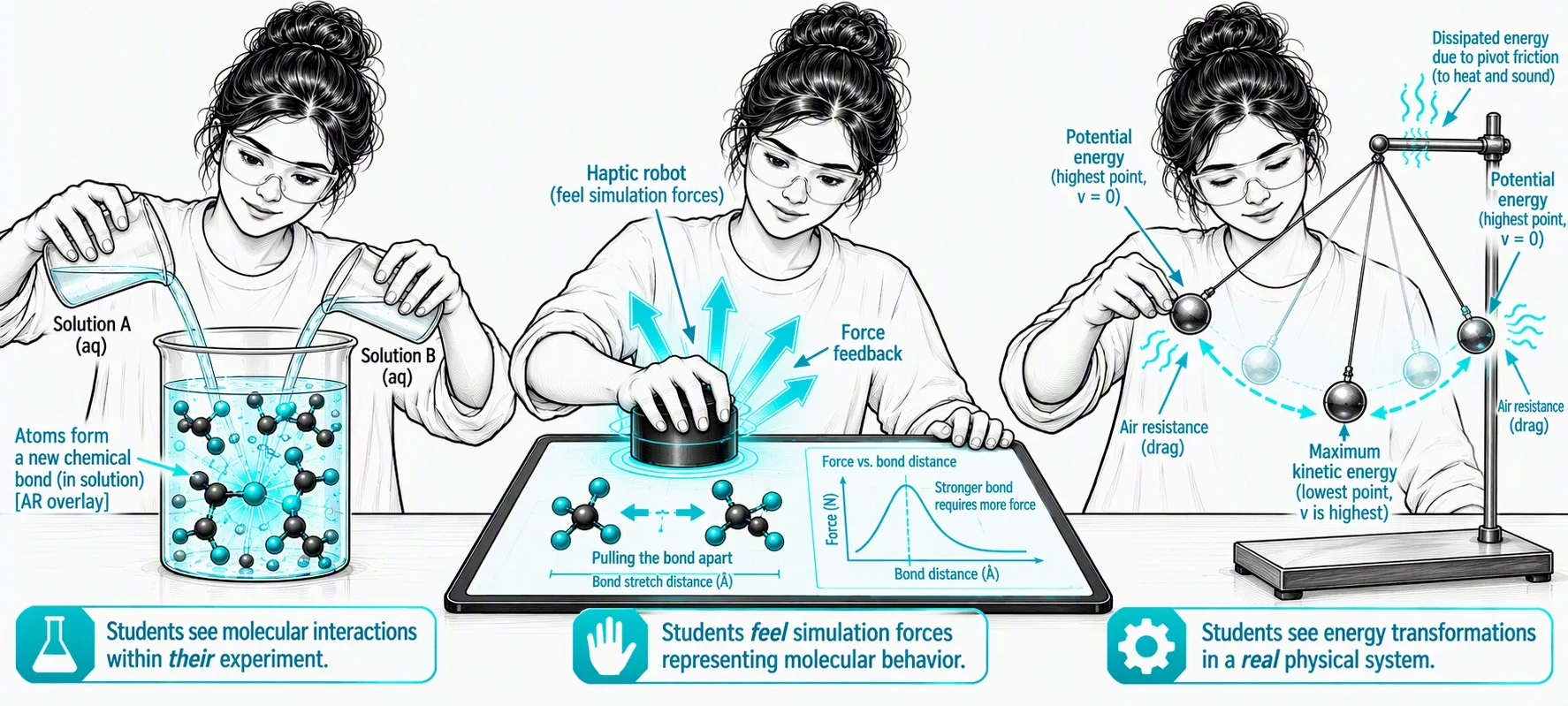
I’m a PhD candidate in Stanford’s HCI Group and a mechanical engineer by training. I build hardware such as haptic robots, sensor-laden lab instruments, and printed mechanisms that give simulations and apps a physical form. Then I study how touching, turning, and pushing on them changes the way people learn.
Quick facts
- PhD ResearchTangible and augmented interfaces for hands-on science learning with the Stanford HCI Group
- RecentlyResearch intern at Microsoft Research building KITE, a kinesthetic haptic robot
- AdvisorsJames Landay & Allison Okamura
- MethodsUser-centered design · Concept engineering · Mechanical design · Rapid prototyping · Evidence-based evaluation
Why tangible?
Every new wave of education technology promises to transform the classroom, yet in our study of high school science labs, teachers were clear: students learn the most from handling real equipment and working through messy, real data. Most lab technology does the opposite, replacing the experiment with a “perfect” simulation.
That is the gap my work addresses. I build technology that augments hands-on experiences instead of replacing them, keeping the physical world at the center and adding digital insight on top.
Read the teacher studyMy approach
I develop concepts, prototype the hardware and software, and evaluate them with users.
1 · Creating custom hardware
Mechanical design
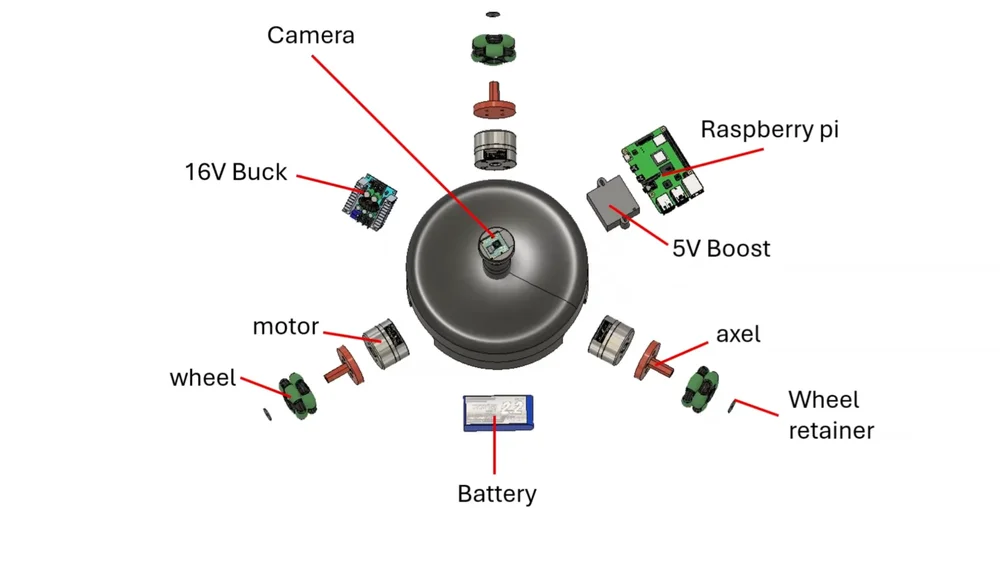
Haptic and bio-inspired robots, compliant robot feet, multi-material 3D printing, and CAD and manufacturing. This is the hands-on engineering everything else is built on.
View mechanical design work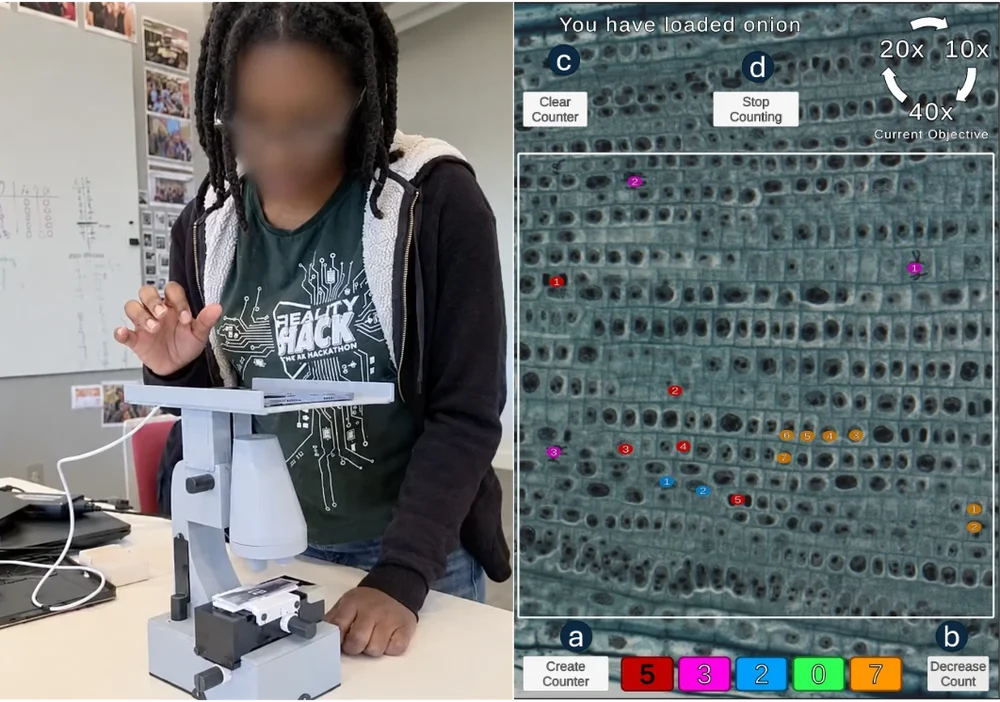
2 · Tangible interfaces
Physical interfaces for digital systems
Hardware that gives software a body, such as a haptic robot that renders simulated forces and a 3D-printed microscope that drives a smartphone app.
View tangible interfaces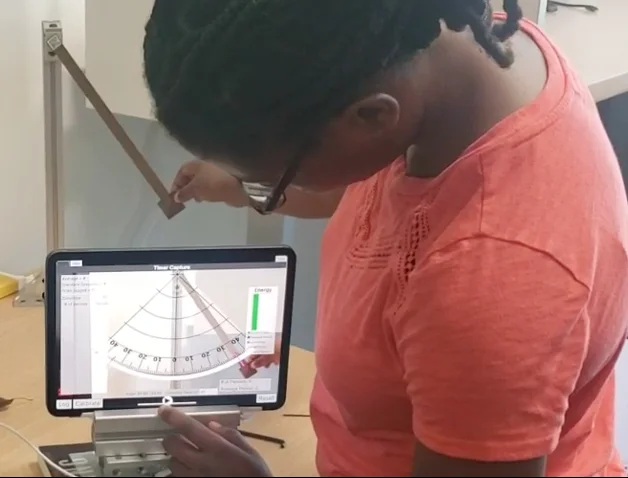
3 · Understanding built by doing
Tangible learning experiences
Studies with students showing how augmenting real experiments, rather than replacing them, deepens scientific reasoning and engagement.
View learning researchSelected highlights
Projects where the physical and the digital are designed together.
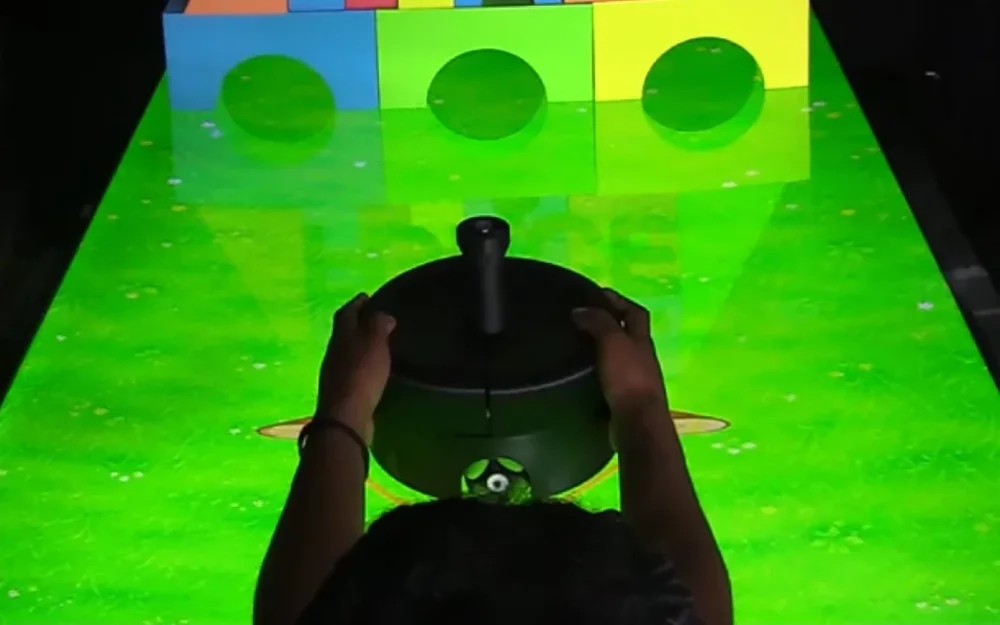
Microsoft Research · Haptics
KITE: a kinesthetic interface for tangible exploration
A free-moving haptic robot that lets learners feel the forces in digital physics simulations, from lift on an airfoil to pulling apart molecular bonds.
Feel the forces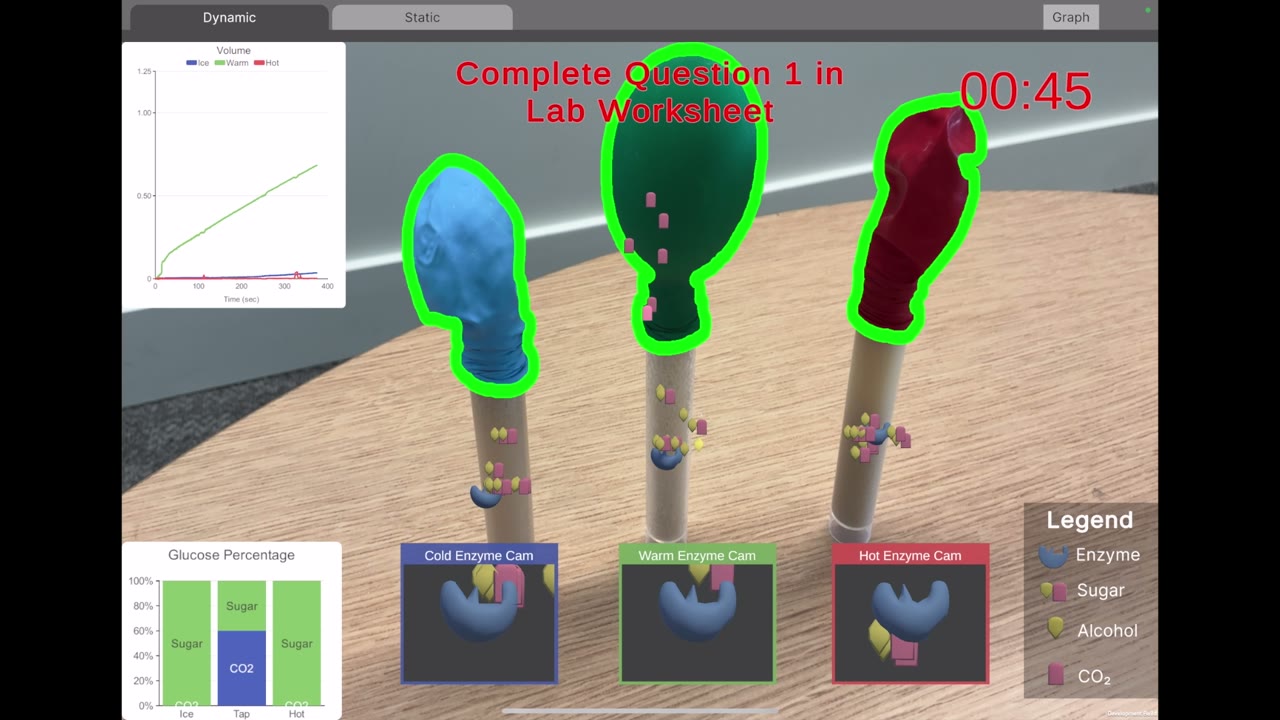
Augmented Reality · Biology Labs
Visualizing biological mechanisms
Computer vision tracks students' real balloons in a yeast fermentation lab and animates the enzyme activity behind them. Tested at 5 institutions with over 100 students.
See enzymes at work
Augmented Reality · Physical Labs
AR-enhanced physics lab
AR protractors, energy graphs, and period counters layered over a real pendulum improved students’ scientific reasoning (Cohen’s d = 0.63) without replacing the hands-on experiment.
View AR lab research
Tangible Interface · Education
Smartphone-enabled microscope
A low-cost, 3D-printed microscope whose real focus knob, objective turret, and slide stage drive biological imagery on a connected smartphone.
See the hardware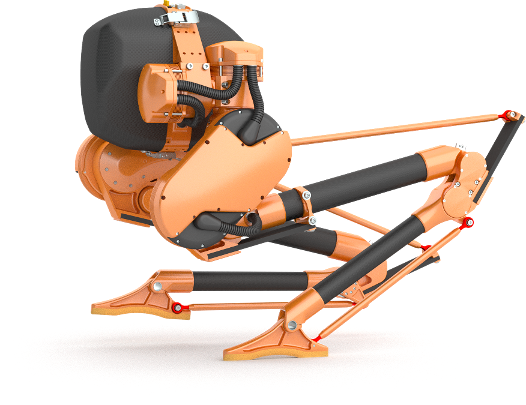
Mechanical Design · Robotics
Impact-absorbing feet for the Cassie robot
Silicone honeycomb feet with foam inserts cut Cassie's step impact by over 90%, with no changes to the robot's balance controller.
See the design
More
Other work
Projects beyond my core research, from qualitative interviews with science teachers and research and industry collaborations to learning technologies, playable games, and 3D modeling.
Browse other work